


The network
research programme
03
WP 6. To characterise chronicity, multimorbidity and frailty in primary care and in continuity of care processes.

Coordinator
Antonio Gimeno

EpiChron Research Group
RD24/0005/0013
Participating Groups
EpiChron. IP:
Antonio Gimeno (RD24/0005/0013)
Ricapps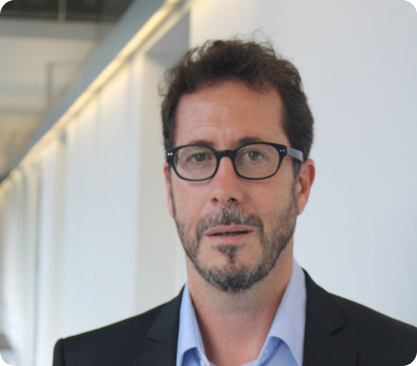
Cardiocat. IP:
Rafel Ramos (RD24/0005/0001)
Ricapps
GRAP-caIB. IP:
Alfonso Leiva (RD24/0005/0008)
Ricapps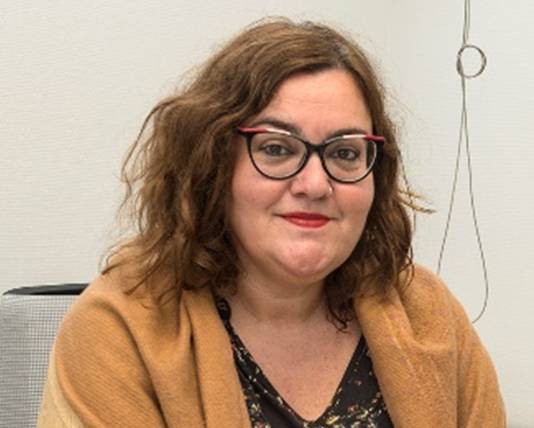
Biosistemak - OSI Bilbao-Basurto. IP:
Amaia Bilbao (RD24/0005/0019)
Ricapps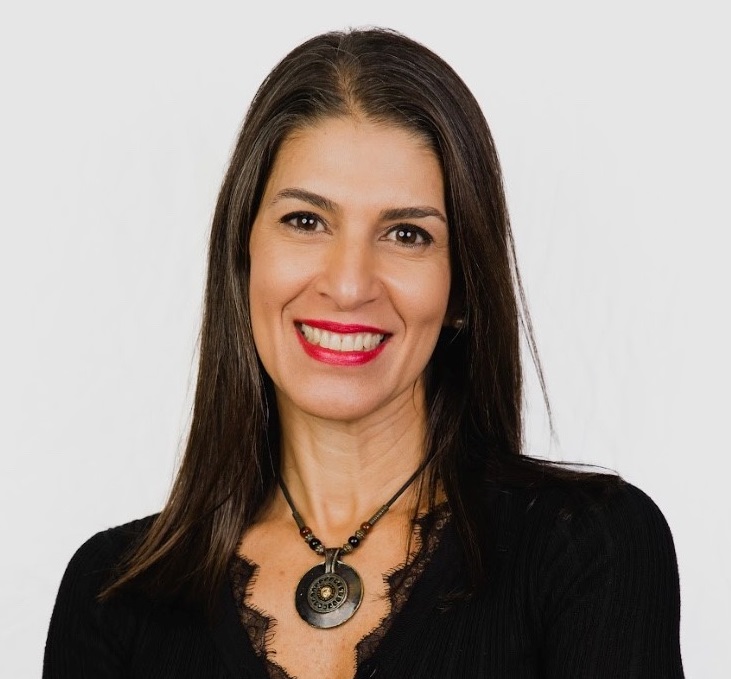
Canary Islands. IP:
Lilisbeth Perestelo (RD24/0005/0003)
Ricapps
H. Costa del Sol. IP:
Maximino Redondo (RD24/0005/0016)
Ricapps
Navarra. IP:
Berta Ibáñez (RD24/0005/0024)
Ricapps
Biosistemak - OSI Barrualde-Galdakao. IP:
Susana García (RD24/0005/0020)
Ricapps
IMIM. IP:
María Sala (RD24/0005/0002)
Ricapps
Sant Joan de Déu. IP:
Montserrat Gil (RD24/0005/0007)
Ricapps
GAIAP-Aragón. IP:
Rosa Magallón (RD24/0005/0004)
Ricapps
Ciencia de Datos. IP:
Enrique Bernal (RD24/0005/0014)
Ricapps
Madrid. IP:
Isabel del Cura (RD24/0005/0015)
RicappsF. Avedis Donabedian. IP:
Carola Orrego (RD24/0005/0025)
Ricapps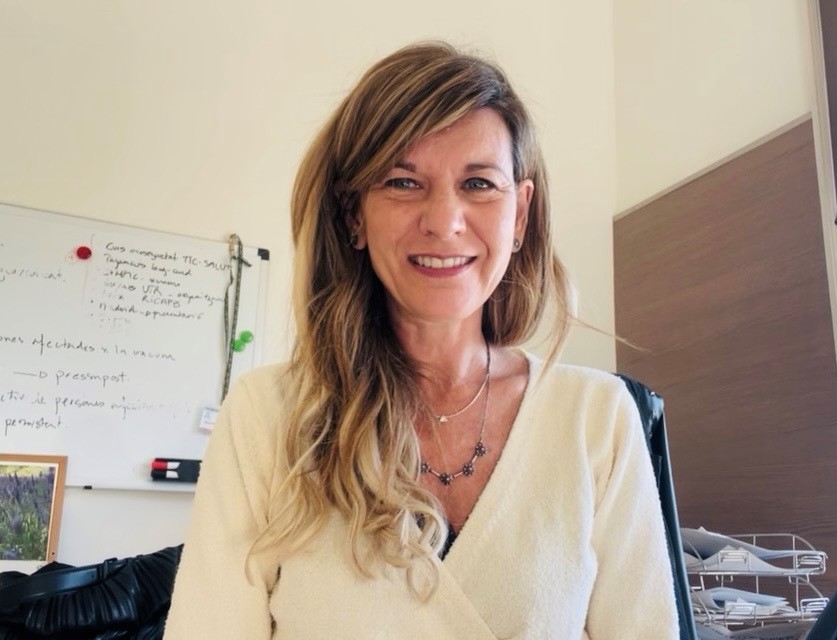
GRenSSAP. IP:
Anna Berenguera (RD24/0005/0005)
Ricapps
ISCiii. IP:
Joao Forjaz (RD24CIII/0001/0002)
Ricapps
GIAPCyL. IP:
Luis García (RD24/0005/0018)
Ricapps
Biodonosti. IP:
Itziar Vergara (RD24/0005/0026)
RicappsResearch lines
Line 1 To characterize the clinical epidemiology of multimorbidity and highly prevalent and relevant chronic diseases in primary care and in the continuity of care processes regarding the onset, clustering, evolution, trends, and risk factors of negative health outcomes, including also the gender and patient’s perspective and an intersectional approach to their social determinants. This line aims to offer solid scientific evidence to the scientific, clinical and policy-maker community for improving the care of chronic patients.
Task 1. To explore, identify and clinically describe the existence of consistent multimorbidity patterns and their longitudinal trajectories over time in chronic patients both in the general population and in vulnerable and specific population subgroups through large-scale studies, and characterize their associated risk factors and health outcomes.
Task 2. To characterize the clinical epidemiology of highly prevalent and relevant chronic diseases (e.g., breast cancer, colorectal cancer, cardiovascular diseases) regarding their comorbidity, current trends, and risk factors for negative health outcomes.
Task 3. To characterize the influence of social determinants on health outcomes in patients with chronic disease, multimorbidity and polypharmacy using an intersectional and global health approach and know their expectations and feelings about their disease and treatment burden.
Line 2 To characterize frailty and other conditions related to aged and chronic patients such as cognitive decline, low-grade systemic inflammation and long-covid syndrome, which determine the functional capacity of this growing population group. This characterization includes the identification of risk factors, onset and triggering events as well as interactions with prevalent chronic diseases, cancer, dementia, mental health and infectious diseases. Multimodal primary care-based interventions and comprehensive and integrated answer to related health needs will also be considered. This line aims to offer solid scientific evidence on the characterization and assessment of frailty and related conditions in older patients to improve care strategies.
Task 1. To characterize frailty and functional capacity in aged population in primary care settings and in the continuity of care processes, considering related issues besides physical frailty such as cognitive decline, prevalent chronic conditions, cancer and infectious diseases, and to propose the implementation of tools to identify and assess frailty in clinical practice.
Task 2. To characterize long-covid patients and to identify their clinical characteristics as well as factors affecting their evolution and potential biomarkers.
Task 3. To characterize the clinical features and frailty status of older chronic patients using the emergency room with the aim of stablishing and validating optimal cut-off points of vital signs for their triaging and developing prediction models of negative health outcomes.
Line 3 To identify and characterize learning gaps, skills and tools needed by health professionals from primary care and other specialties dealing with multimorbidity, frailty and functional decline in clinical practice, and to propose a training curriculum for multimorbidity management for the development of training contents and tools. This line aims to detect learning needs and increase awareness of multimorbidity and chronic diseases, frailty and functional decline among caregivers and to provide them with key evidence to assist them in caring for these patients.
Task 1. To identify and review the learning needs of healthcare professionals for the management of multimorbidity and frailty in clinical practice.
Task 2. To propose a training curriculum for multimorbidity and frailty management to be applied throughout the entire training continuum of the health professional, from undergraduate training, specialized training and continuing education.
OBJETIVES

Health promotion and prevention strategies in primary care and the community

Screening, diagnosis and management of the most relevant diseases in primary care

Chronic diseases and multimorbidity

Innovative and responsible research, gender perspective and implementation

Patient-centered interventions, RWD, and methodological improvements

 93 482 46 94
 671 511 120
 info@ricapps.es
